Direct answer
Check enclosure, power and cooler orientation before adding coolers. Inspect both the cold room and the hot exhaust area, then watch temperatures during ordinary hauling and difficult outdoor conditions. Judge preservation from each item's actual information: a cool room is not automatically a functioning freezer.
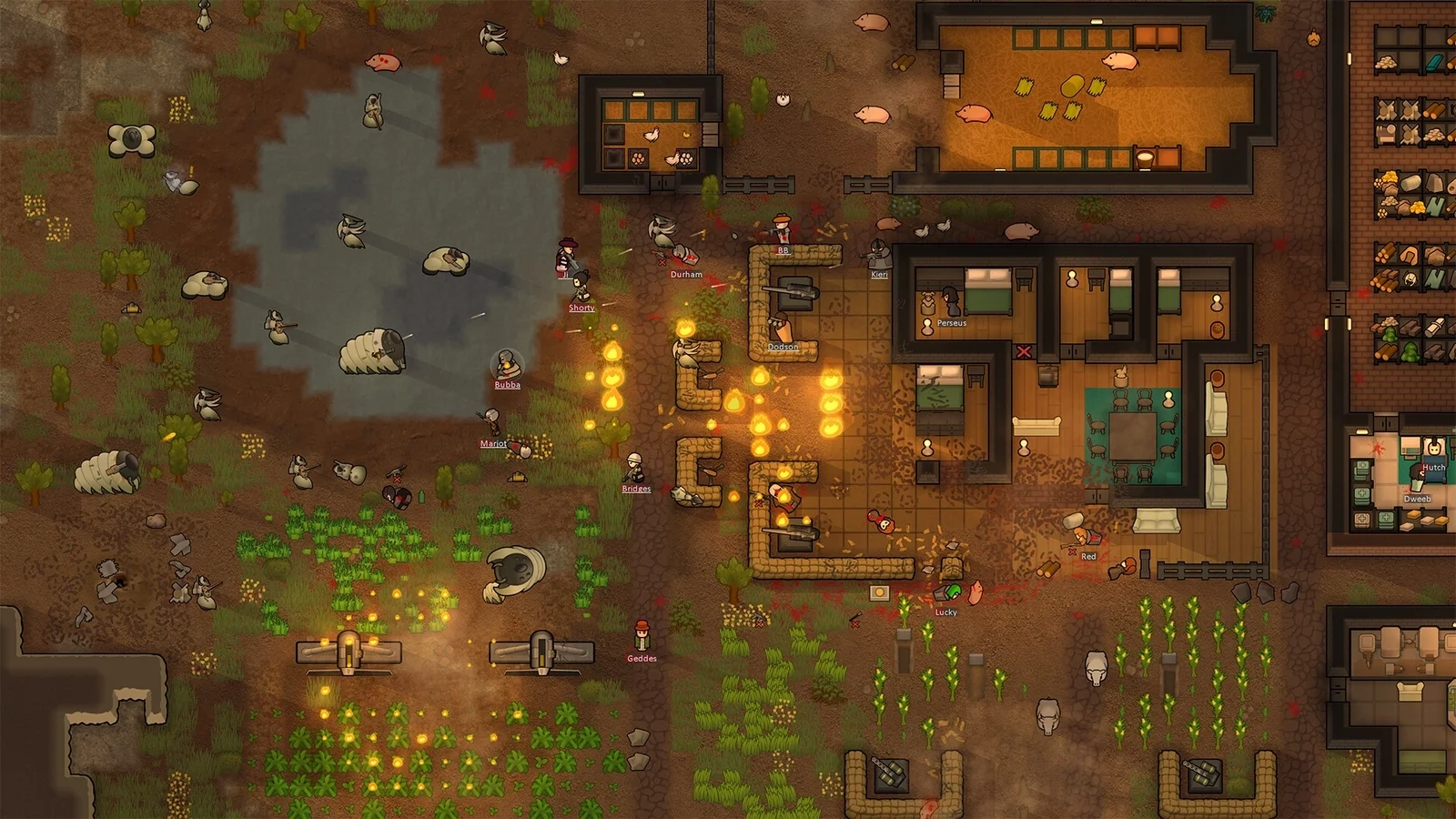
Confirm the room is enclosed
Inspect walls, doors and roof coverage with the relevant overlays. A room that looks complete can still have a missing tile or an open connection. Check the displayed room temperature and what the game considers the room. Complete construction before blaming the cooler, and remember that an unbuilt plan is not yet a working wall or roof.
Give the hot side somewhere to reject heat
Check the cooler’s orientation and where its warm side leads. Exhausting into a tiny enclosed space can make heat rejection ineffective. Inspect neighbouring rooms and roof coverage rather than judging the freezer alone. Use the in-game temperature information to see whether the hot side is accumulating heat. Correct layout before simply multiplying coolers.
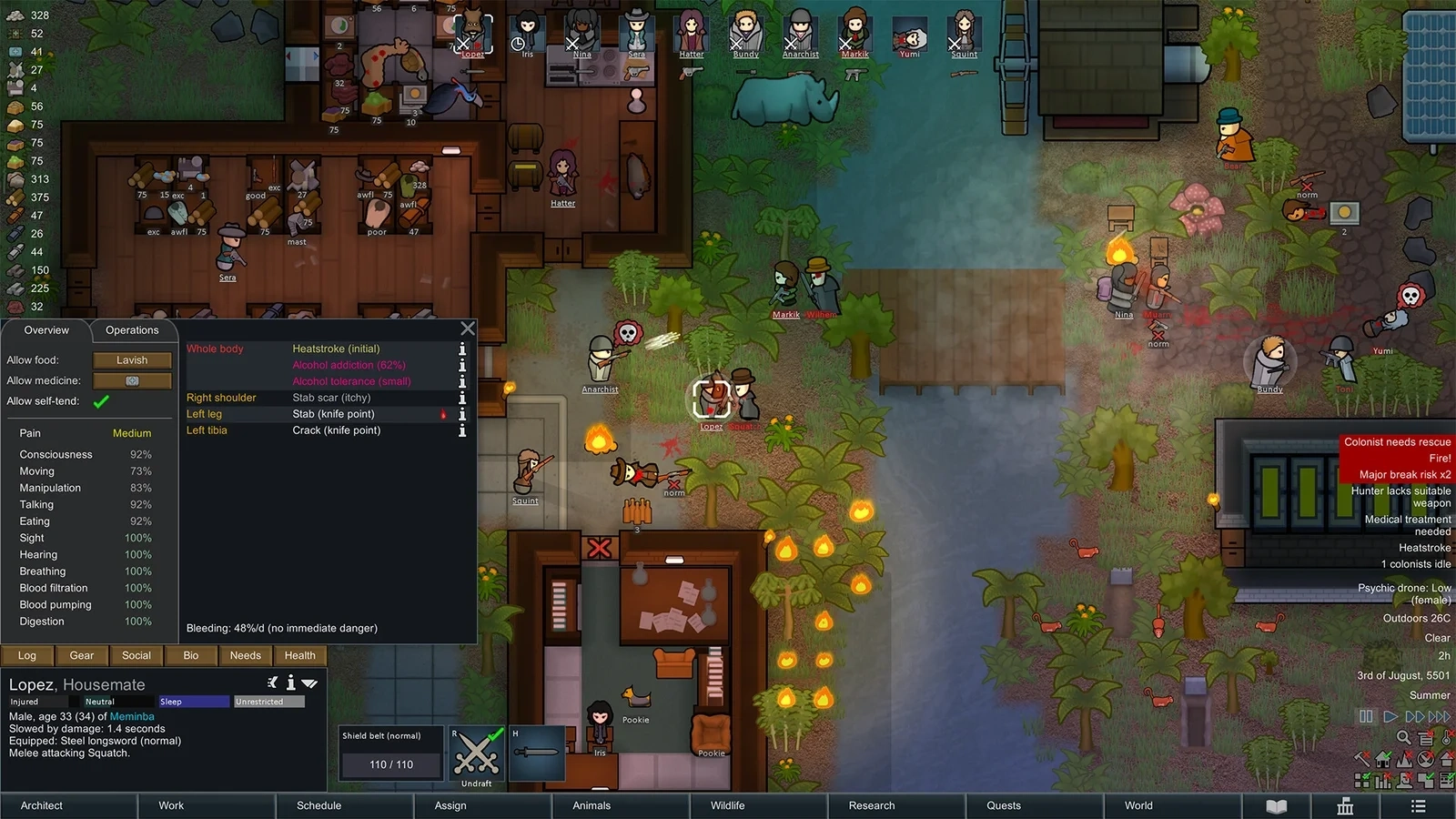
Account for doors and working patterns
Frequent travel connects the cold room with warmer spaces. Place storage and work areas so routine hauling does not create unnecessary door traffic. Check whether doors are held open and whether construction has changed the path. Before enlarging the freezer, observe it during the busiest hauling period and under the outside temperatures that matter in this colony.
Diagnose one cause at a time
If the room is warm, first confirm enclosure, then power, orientation and exhaust, then traffic and demand. Recheck temperature after each meaningful change. This sequence helps distinguish a structural fault from insufficient capacity. It is an editorial workflow without a promised room size, guaranteed set point or claim that one layout fits every biome and mod list.
Inspect the food at its final location
Select a stored item and inspect its preservation information. Confirm it is inside the intended room and under the expected roof, rather than in an outdoor overflow area. A stockpile name does not prove that every stack shares an environment. Compare room temperature with the cooler's target. When the target is already low but the room stays warm, lowering it again does not explain the failure. Check the operating state and enclosure first. After a repair, follow newly hauled food too; solving one stack's location does not repair a filter sending the next delivery elsewhere.
Inspect the exhaust after every extension
A new room can enclose space that previously released the cooler's heat. Inspect the hot side's walls, doors and roof, not only the freezer. If that space grows hot while the freezer struggles, correct the exhaust arrangement and observe again before installing another cooler into the same problem. Also consider workers using the adjacent room: moving heat into a workshop can create a second climate issue. The useful evidence is the temperature of both spaces while the cooler operates. Its facing direction alone cannot show whether the receiving space can release heat.
Observe the real hauling route
Follow a cook collecting ingredients and a hauler delivering food. If the freezer is also a shortcut between unrelated rooms, many openings do not contribute to food work. Reroute traffic where practical and check held-open doors. Compare the complete work route: an entrance that reduces heat exchange can also make hauling inefficient. After changing it, let normal deliveries run again. A quiet room reaching its target while nobody enters proves less than a room remaining suitable during use. Only after enclosure, exhaust and traffic are understood should you reassess capacity.
Worked decision example
Illustrative case: storage becomes warm after an extension. Check unfinished roofing, the old cooler's power connection and whether construction enclosed its hot side. Correct one discovered defect and wait through normal deliveries. If it still fails, inspect demand and capacity. Changing the thermostat, batteries and doorway together prevents you from learning which repair mattered.
Scope and evidence
Check your installed build, platform and available features. Historical announcements explain their stated version; practical examples are illustrative, not claimed playtests.
Next time you play
- Check roof, walls and doors.
- Inspect the cooler’s hot side.
- Observe busy hauling periods.
Selected official references
- Official Steam product record ↗Collected on November 16, 2026
- RimWorld official overview ↗Collected on November 16, 2026
- Official FAQ ↗Collected on November 16, 2026
A source is not a promise that an old feature is unchanged. Follow the current in-game description when details differ.