Direct answer
Trace the unpowered appliance to a working generator before building more equipment. With connections confirmed, watch supply, demand and stored energy through the period that fails. Batteries bridge a temporary deficit only if later surplus can recharge them. A reserve that declines over comparable cycles calls for lower consumption or more reliable generation.
Check connection before capacity
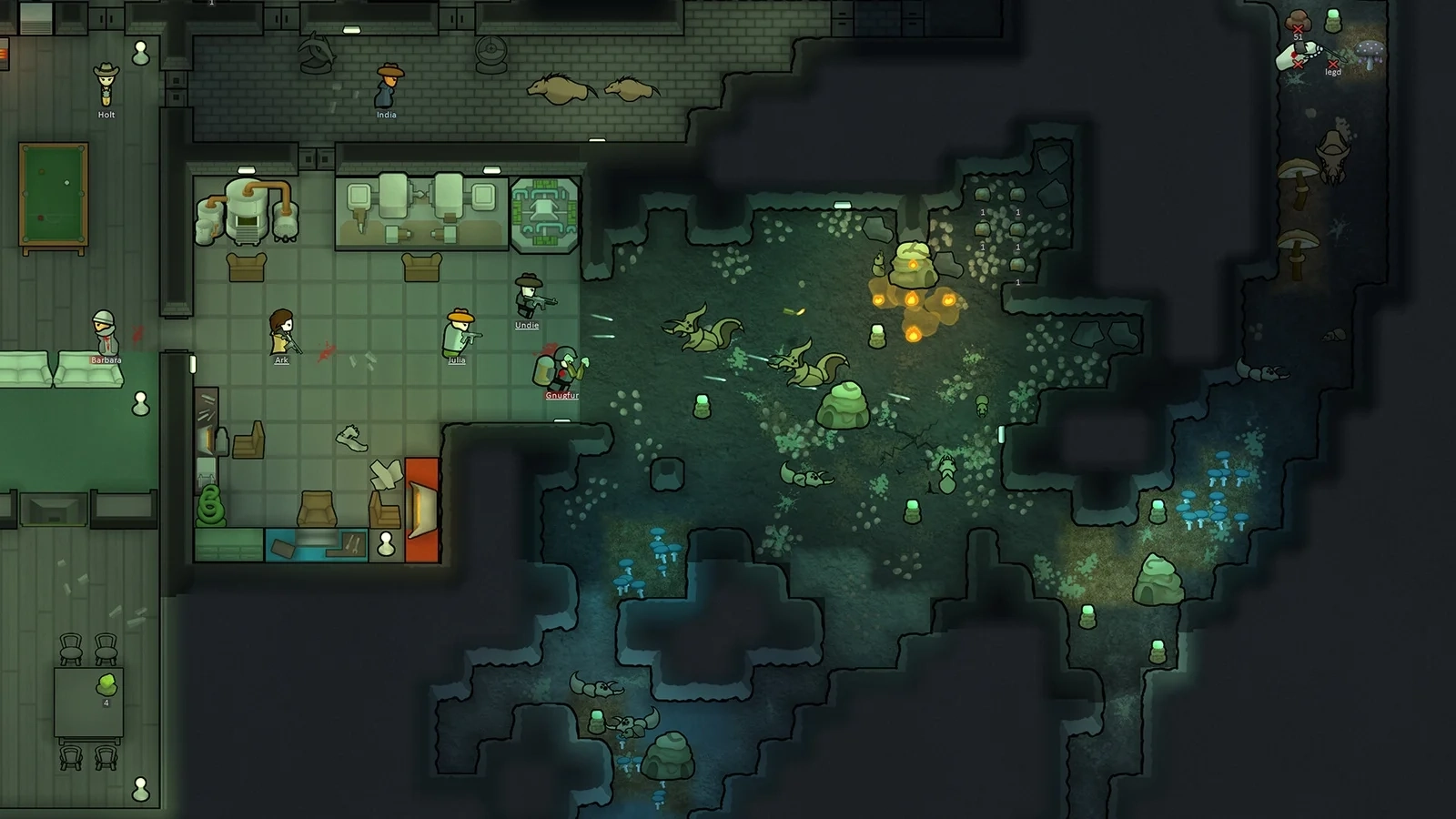
Select an affected device and inspect the power network using the game’s overlays and information panels. Nearby cable does not automatically prove the device belongs to the intended grid. Trace the path back to a working generator. Damage or construction changes can isolate part of a colony while another part still has electricity, so begin with the actual affected area.
Look at demand across a cycle
A surplus at one moment does not prove the system survives night, poor generation or temperature equipment running together. Observe generation and consumption through the conditions that cause the problem. Distinguish continuous loads from equipment that turns on intermittently. Use values from your save, especially when mods change devices, rather than importing another colony’s fixed demand table.
Storage shifts supply; it does not create it
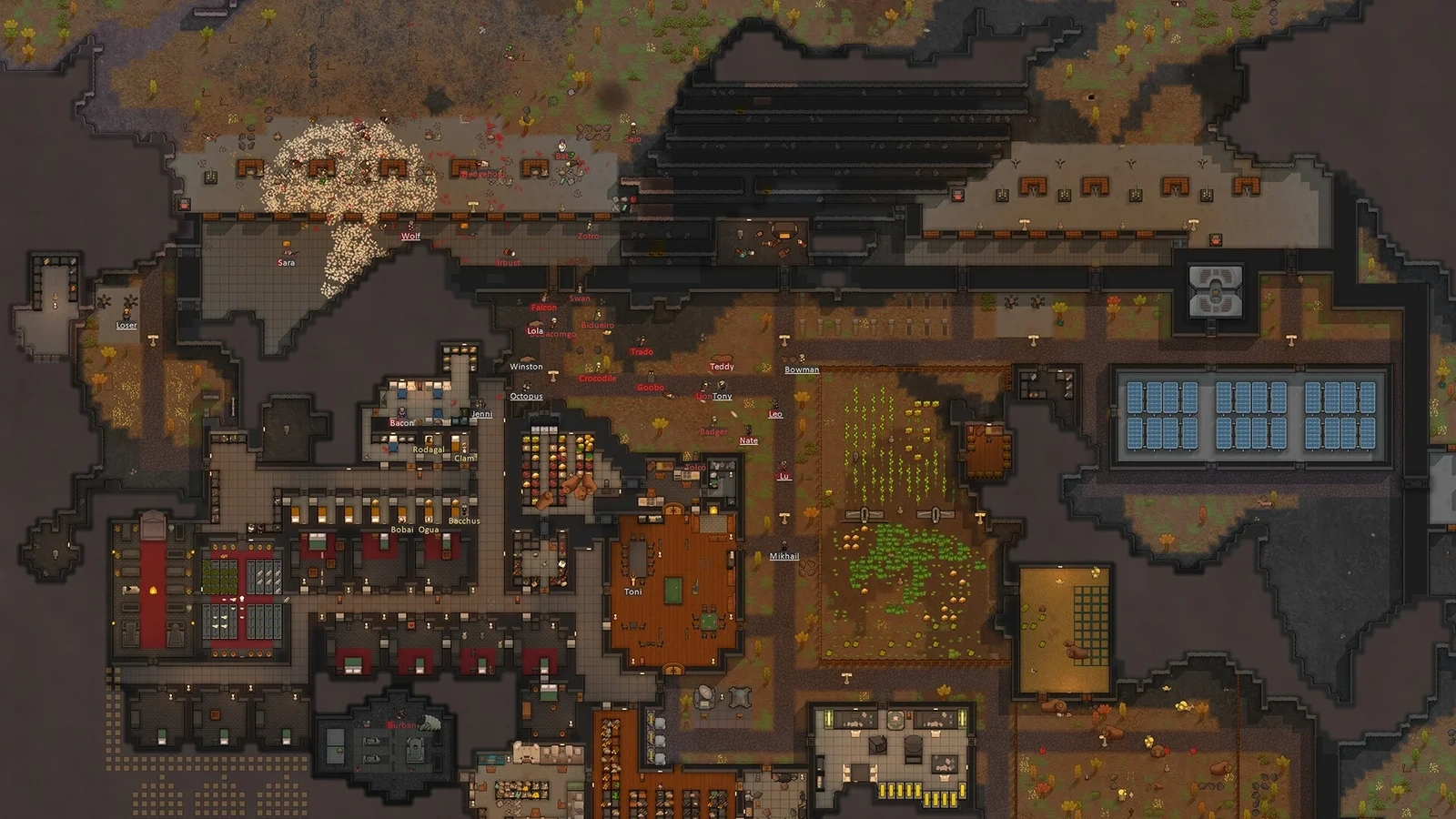
Batteries help when surplus generation can be stored for later. If stored energy falls over successive comparable cycles, inspect generation and demand before adding capacity. Check the game’s current battery information and keep fire or damage exposure in mind. More storage cannot correct a chain that never produces enough energy to recharge it.
Example: add one load, then observe
After restoring supply, add one planned device and observe it under the conditions that previously caused failure. If several devices are added at once, label their commissioning times so you can trace a new shortage. This is a diagnostic exercise, not a universal generator-to-battery ratio. Difficulty, biome, equipment and mods all affect a real colony’s demand.
Distinguish local isolation from a network deficit
Compare a failed appliance with a nearby appliance that works. Inspect their connection points and any damaged, unfinished or switched sections between them. More generation elsewhere cannot cross a missing connection into an isolated kitchen. After reconnecting it, check whether the extra kitchen load exposes a separate supply shortage. Keep the conclusions separate: a repaired cable shows that power can reach the room; a stable energy balance shows that enough power exists. A generator blueprint and a generator whose operating requirements are actually satisfied are different states.
Restore loads in a useful order
Identify what happens if each appliance remains off. Food preservation, treatment and climate control can have different urgency in your current weather. Temporarily disconnect a discretionary workshop and observe stored energy under comparable conditions. Restore appliances individually, including a period when intermittent consumers work together. Read actual operating states rather than assuming every workshop draws its listed demand continuously. If the network survives only while a necessary consumer is disabled, the immediate interruption is contained but the lasting supply problem remains. Plan that upgrade before restoring every queued job.
Verify at the time that originally failed
A daytime recovery does not verify a failure that happened before dawn. Observe the relevant low-output period with important consumers restored. If a generator now stops because its own input is missing, record that new bottleneck rather than concluding that reconnecting the room achieved nothing. Check modded generators and batteries for operating restrictions, fuel conditions and standby consumption. Compare the same weather and workload where possible, and describe differences when that is impossible. This makes a useful diagnosis without claiming a universal generator-to-battery ratio.
Worked decision example
Illustrative case: a freezer warms before morning, while the stove works at noon. Confirm they share a live network. If overnight reserves fall, pause an optional bench for the next comparable night. A surviving reserve supports a supply-demand explanation. If only the cooler stays unpowered, return to its connection and state. Buying batteries before distinguishing these cases can leave the original fault untouched.
Scope and evidence
Check your installed build, platform and available features. Historical announcements explain their stated version; practical examples are illustrative, not claimed playtests.
Next time you play
- Trace the affected network.
- Observe a relevant full cycle.
- Add loads incrementally.
Selected official references
- Official Steam product record ↗Collected on November 16, 2026
- RimWorld official overview ↗Collected on November 16, 2026
- Official FAQ ↗Collected on November 16, 2026
A source is not a promise that an old feature is unchanged. Follow the current in-game description when details differ.